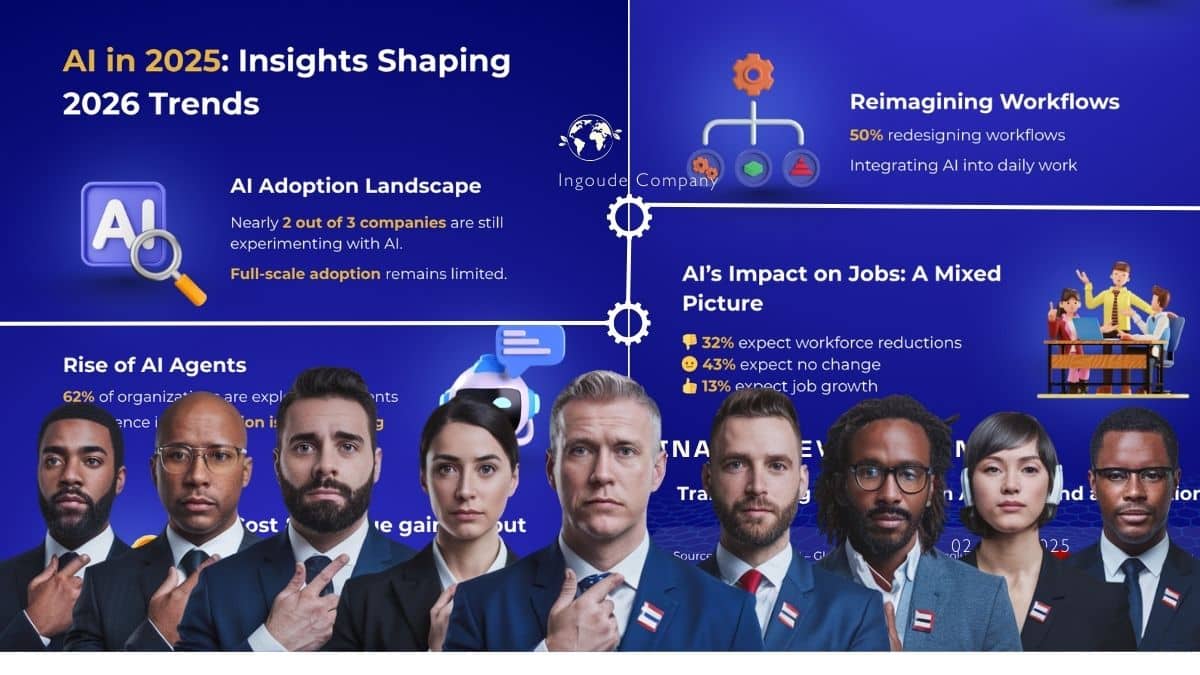
Artificial Intelligence in 2026: AI used to feel like magic in sci-fi movies. Today, it’s becoming the heart of real business change. In 2026, companies are no longer just testing AI — they are using it every day to make work faster, smarter, and more efficient.
This shift — from simple experiments to real, measurable impact — is one of the biggest technology stories of the year. In this article, we’ll explore how AI adoption is evolving in enterprises, why it matters, and what’s exciting (and challenging) about this new era. (A2E)
1. What’s Changing in Enterprise AI Adoption?
Related Content: Neo Browser Review 2026 — Smart Browsing Made Simple and Secure
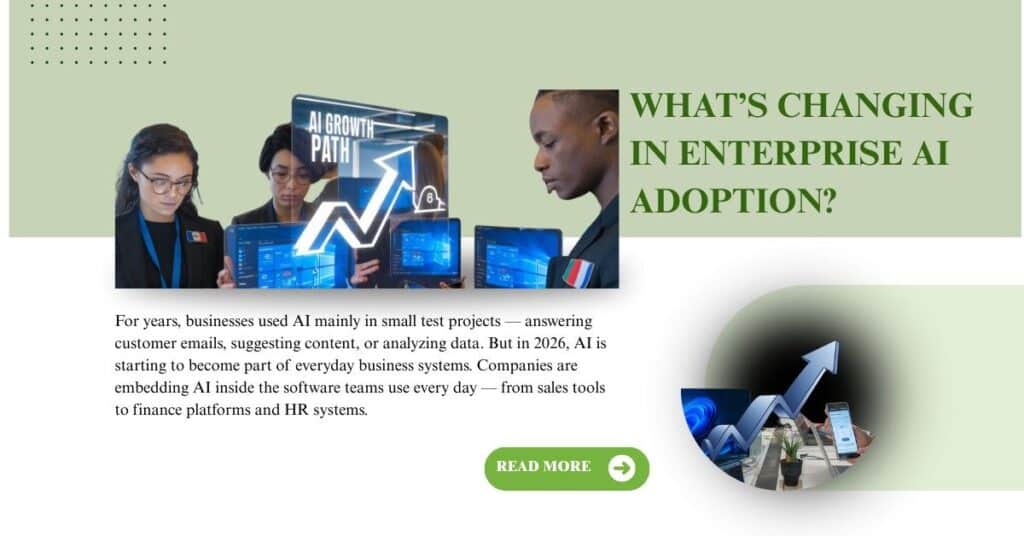
For years, businesses used AI mainly in small test projects — answering customer emails, suggesting content, or analyzing data. But in 2026, AI is starting to become part of everyday business systems. Companies are embedding AI inside the software teams use every day — from sales tools to finance platforms and HR systems.
This means AI isn’t just a tool* anymore — it’s built into how work gets done. (SAP News Center)
A big part of this change is the rise of autonomous AI agents — systems that don’t just respond to questions, but take action and make decisions with limited human input. (The Times of India)
2. Meet Autonomous AI Agents — Enterprise’s New Digital Workers
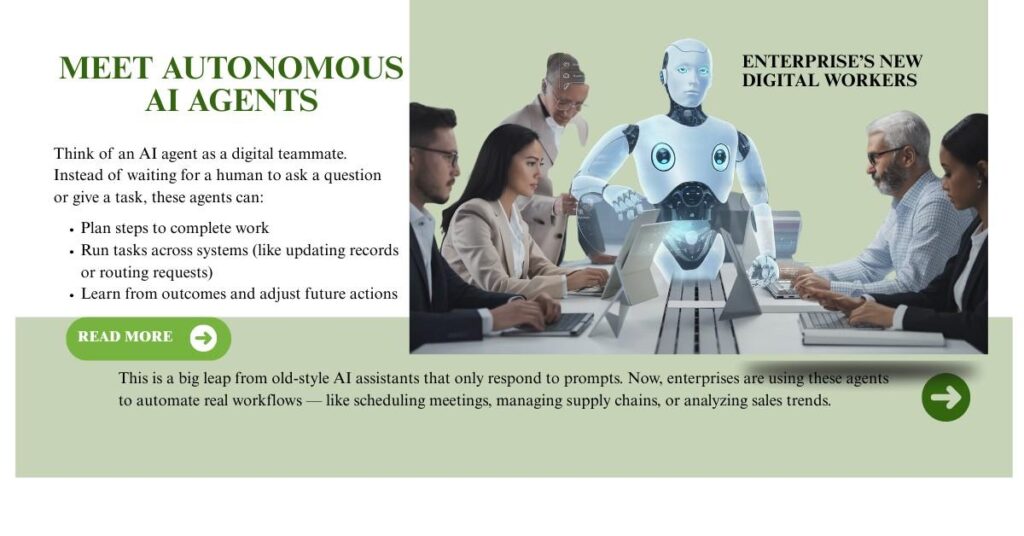
Think of an AI agent as a digital teammate. Instead of waiting for a human to ask a question or give a task, these agents can:
- Plan steps to complete work
- Run tasks across systems (like updating records or routing requests)
- Learn from outcomes and adjust future actions
This is a big leap from old-style AI assistants that only respond to prompts. Now, enterprises are using these agents to automate real workflows — like scheduling meetings, managing supply chains, or analyzing sales trends. (Cloudera)
Pros of AI Agents
- Save time: Automate repetitive tasks
- Boost productivity: Teams work faster with digital helpers
- Scale workflows: One agent can handle tasks across teams
Cons of AI Agents
- Trust gap: Only a small number of companies fully trust agents for core operations yet
- Data dependency: Agents need clean, structured data to work well
- Risk of errors: If misconfigured, agents can make wrong decisions or take unintended actions (AIMultiple)
3. Why Enterprises Are Adopting AI Faster Than Ever
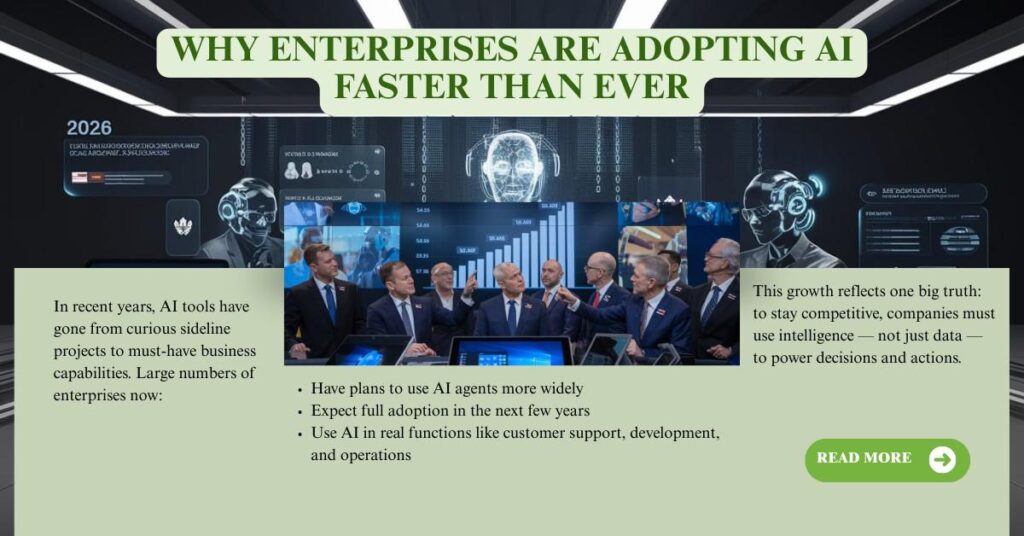
In recent years, AI tools have gone from curious sideline projects to must-have business capabilities. Large numbers of enterprises now:
- Have plans to use AI agents more widely
- Expect full adoption in the next few years
- Use AI in real functions like customer support, development, and operations (PR Newswire)
This growth reflects one big truth: to stay competitive, companies must use intelligence — not just data — to power decisions and actions.
4. Where AI Is Being Used Right Now
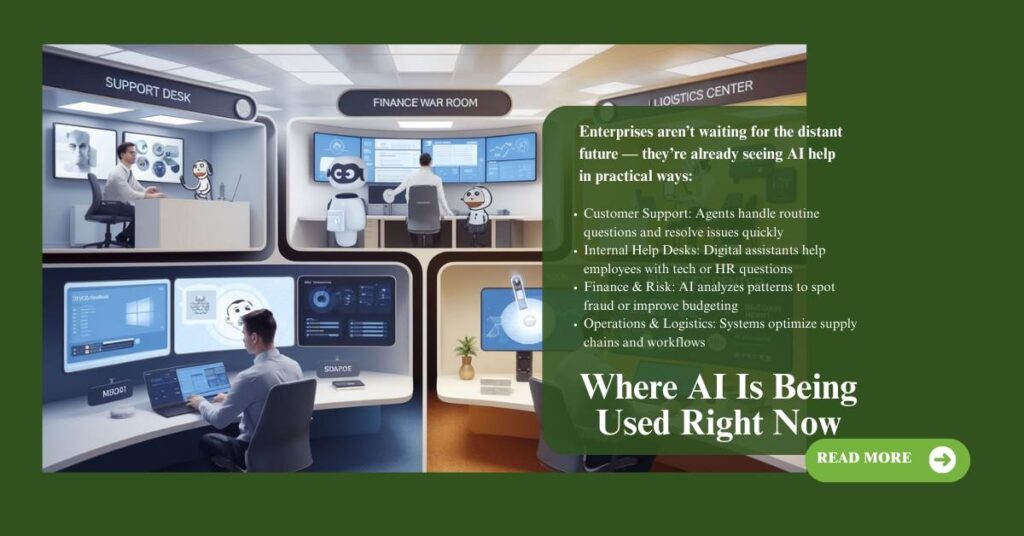
Enterprises aren’t waiting for the distant future — they’re already seeing AI help in practical ways:
- Customer Support: Agents handle routine questions and resolve issues quickly
- Internal Help Desks: Digital assistants help employees with tech or HR questions
- Finance & Risk: AI analyzes patterns to spot fraud or improve budgeting
- Operations & Logistics: Systems optimize supply chains and workflows (Cloudera)
These are just some of the early success stories showing how AI is moving into business operations. That said, adoption still isn’t equal everywhere. Some areas, like highly regulated or sensitive operations, are slower due to trust and risk concerns.
AI & Future: n8n Expert Before 2026 — Ultimate Beginner-Friendly Study Guide
5. Challenges Behind the Hype
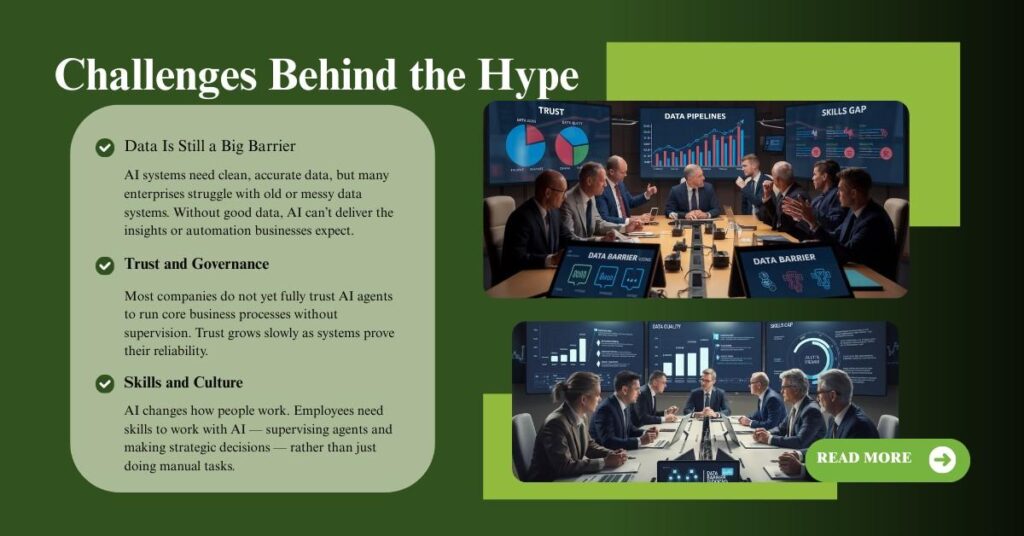
Even though AI adoption is accelerating, companies face real challenges:
Data Is Still a Big Barrier
AI systems need clean, accurate data, but many enterprises struggle with old or messy data systems. Without good data, AI can’t deliver the insights or automation businesses expect. (eluminoustechnologies.com)
Trust and Governance
Most companies do not yet fully trust AI agents to run core business processes without supervision. Trust grows slowly as systems prove their reliability. (AIMultiple)
Skills and Culture
AI changes how people work. Employees need skills to work with AI — supervising agents and making strategic decisions — rather than just doing manual tasks.
6. What’s Next for Enterprise AI in 2026 and Beyond
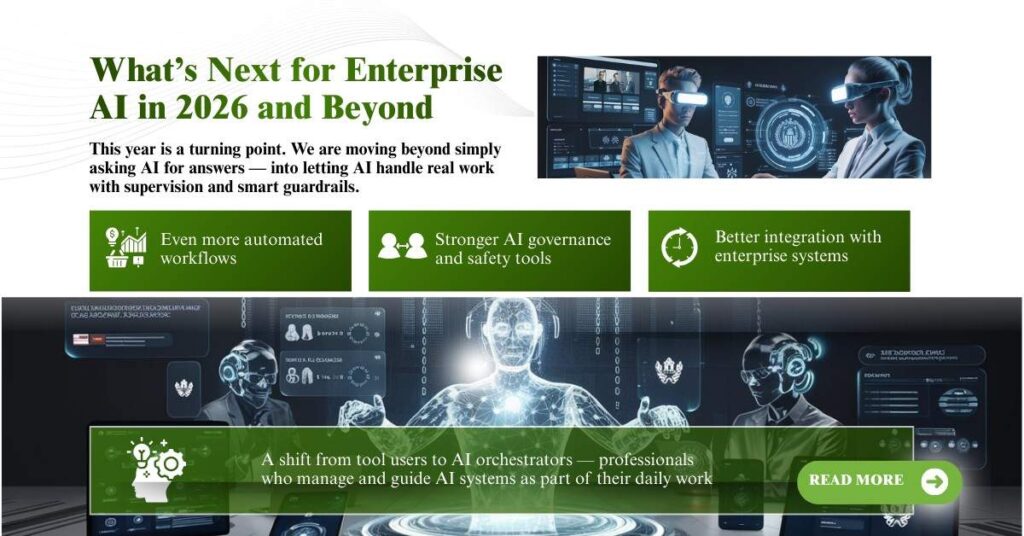
This year is a turning point. We are moving beyond simply asking AI for answers — into letting AI handle real work with supervision and smart guardrails.
Here’s what the future holds:
- Even more automated workflows
- Stronger AI governance and safety tools
- Better integration with enterprise systems
- A shift from tool users to AI orchestrators — professionals who manage and guide AI systems as part of their daily work (eWeek)
Conclusion: Artificial Intelligence In 2026
AI is no longer a distant vision — it’s part of how modern businesses operate. Enterprises that harness AI well are seeing faster work, smarter decisions, and new ways to serve customers.
Yes, challenges remain — especially around trust, data quality, and skills — but the direction is clear: AI is becoming a real driver of business success in 2026.
By understanding both the power and the limitations of these technologies, organizations can prepare for a future where humans and AI agents work together to solve harder problems and build better outcomes.